
Table of Contents
1. Why Home Improvements Are a Smart Investment
Home improvements are one of the most effective ways to increase the value of your property, improve your daily quality of life, and strengthen your position in the housing market, whether you plan to sell soon or stay for decades. Done well, the right home improvements deliver returns that outperform many other forms of investment. Done poorly, they can cost more than they add.
The difference between home improvements that genuinely add value and those that simply cost money comes down to three things: what you invest in, how well it is executed, and who carries out the work. A well-planned rear extension delivered to a high standard by a professional building contractor adds significantly more value than a poorly specified one carried out cheaply. The same principle applies to every category of improvement.
At D&M Building Services, based in Long Eaton and delivering projects across Nottinghamshire, Derbyshire, and Leicestershire, we work with homeowners at every stage of the improvement process, from helping them prioritise where to invest, through planning and specification, to professional delivery and handover. We have seen firsthand which improvements create genuine, lasting value and which offer only short-term visual impact.
This guide covers the eight home improvements that consistently deliver the strongest returns, the mistakes that most commonly reduce that return, and what to look for in the contractor you choose to carry the work out.
2. The 8 Home Improvements That Add the Most Value
1. Rear and Side Extensions
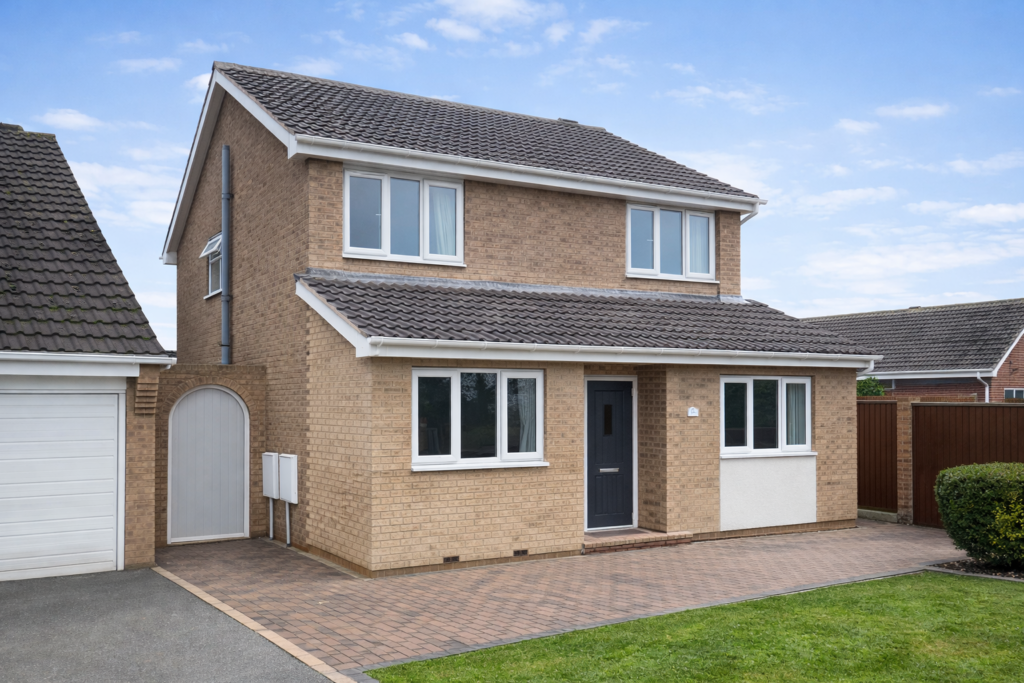
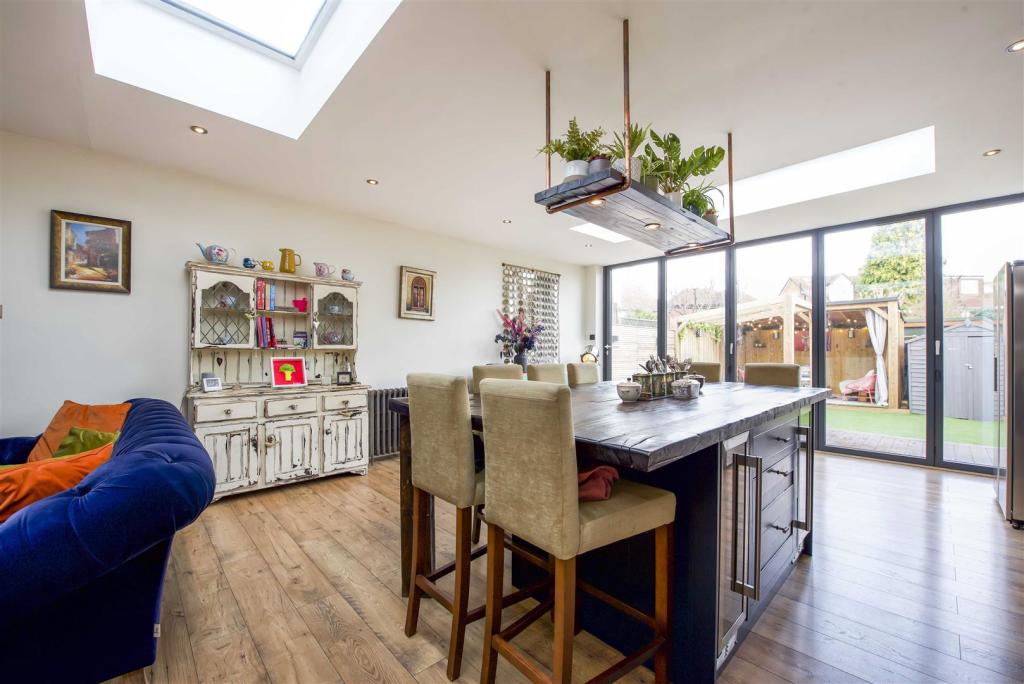
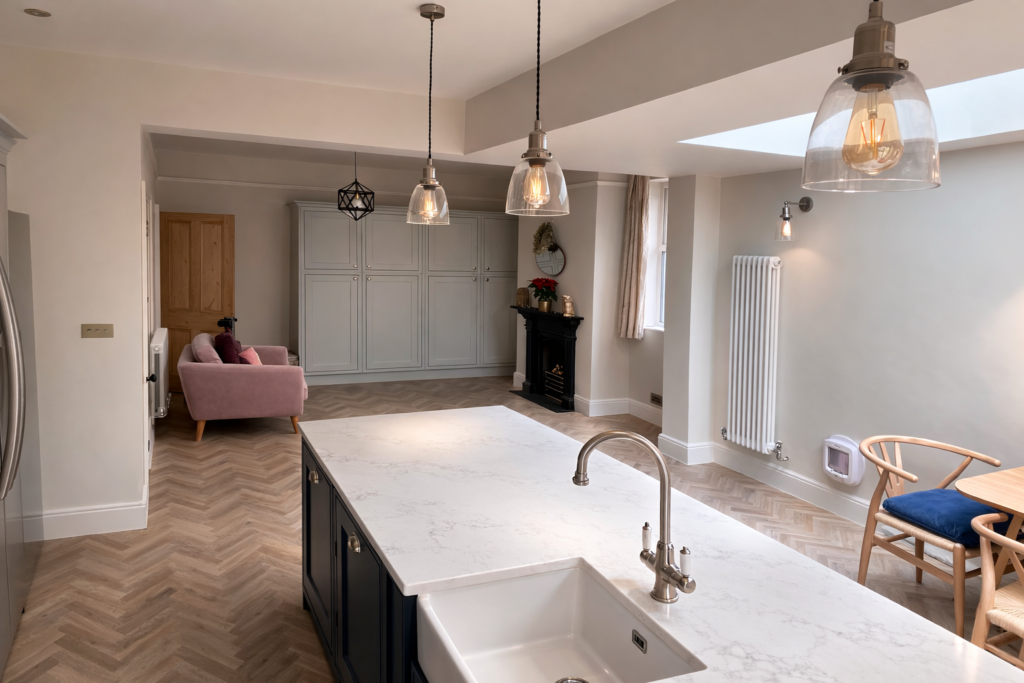
A well-designed extension is consistently one of the highest-value home improvements available. By adding usable floor space, an open-plan kitchen and dining room, a larger living area, a ground-floor bedroom or study, an extension fundamentally changes how a home is used and valued. Estate agents routinely cite additional square footage as one of the most reliable drivers of property value, and a professionally delivered extension typically delivers a strong return relative to its cost.
The key word is professional. An extension that has been poorly designed, built without Building Regulations approval, or finished to a low standard can actually reduce a property’s value and create problems at sale. The quality of execution matters as much as the decision to extend. Planning permission requirements vary by property and extension type. Many rear extensions fall within Permitted Development limits, but side extensions and larger rear extensions may require full planning approval.
2. Loft Conversions
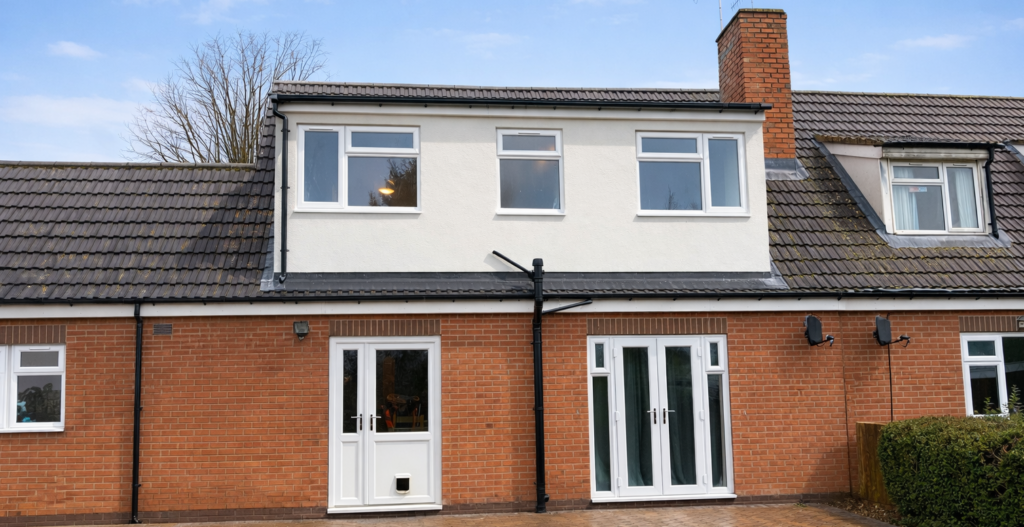
A professionally executed loft conversion is one of the most cost-effective home improvements that adds value, because it creates a new room from existing space that would otherwise be unused. Depending on the property and the conversion type – dormer, hip-to-gable, Velux, or mansard – a loft conversion can increase property value by up to 20% while avoiding the cost and disruption of moving to a larger home.
Loft conversions almost always require Building Regulations approval, and in many cases planning permission too, particularly for dormer or mansard conversions that alter the roofline. A structural engineer’s input is required to assess whether the existing structure can carry the conversion. These are not optional steps, they are legal requirements that protect both you and future buyers, and their absence will be identified in any survey when the property comes to sell.
3. Kitchen Improvements
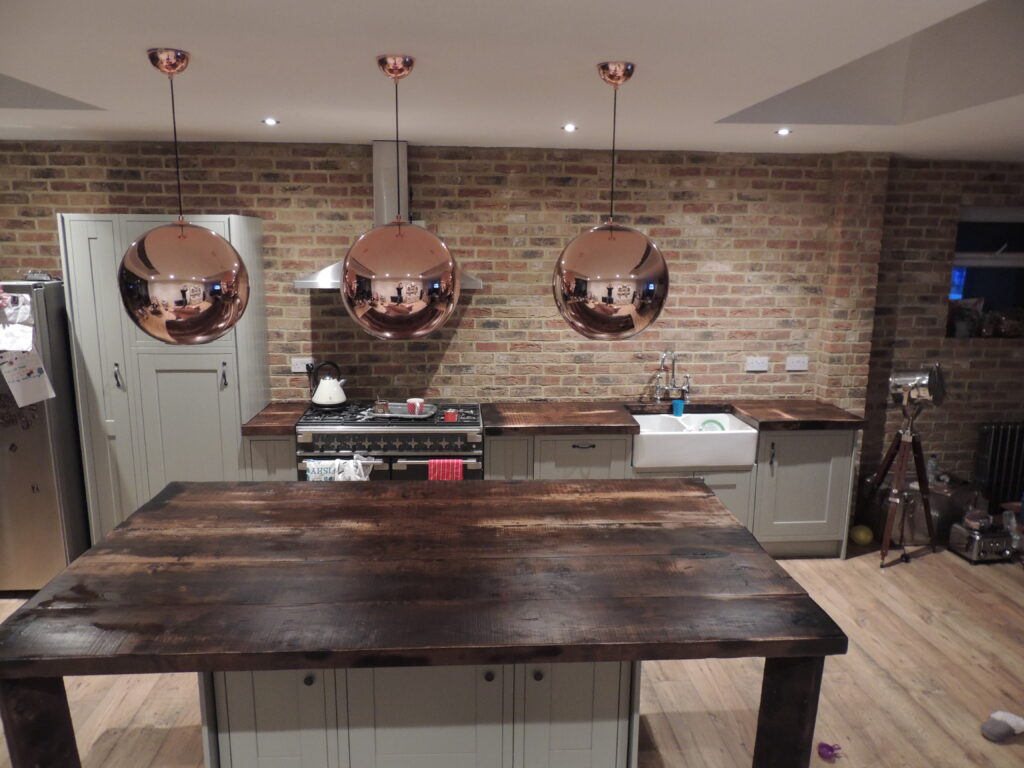
The kitchen is consistently cited by estate agents and surveyors as one of the rooms that most influences buyer decisions and property valuations. A modern, well-planned kitchen that works well spatially, good flow, adequate worktop space, practical storage, signals a well-maintained, move-in-ready home. A tired or poorly laid out kitchen, by contrast, is one of the most common reasons buyers discount a property.
The return on kitchen investment is strongly influenced by specification. An over-specified kitchen in a modest property is unlikely to deliver a proportionate return. A well-chosen mid-range kitchen, quality finishes, practical layout, good lighting, in a family home almost always does. The aim is to match the kitchen to the property and the likely buyer, not to maximise spend.
4. Bathroom Improvements
High-quality bathrooms are a strong signal to buyers that a property has been well maintained and updated to a modern standard. A bathroom that feels dated, cramped, or poorly finished creates a negative impression that is disproportionate to its size. Conversely, a well-designed bathroom, quality fixtures, good tiling, adequate ventilation, effective lighting, elevates the overall impression of a property without necessarily requiring a complete structural reconfiguration.
Adding a second bathroom or en-suite to a property that currently has only one bathroom can have a significant positive impact on value, particularly in family homes where additional facilities are a genuine functional benefit. This type of improvement often requires Building Regulations sign-off for drainage and ventilation work, ensure your contractor manages this as standard.

5. Energy Efficiency Upgrades
Energy efficiency has moved from a nice-to-have to a core driver of property value and buyer demand. Homes with strong EPC ratings, A or B, consistently achieve higher prices and sell faster than comparable properties with lower ratings. With rising energy costs, tighter mortgage lending criteria linked to EPC performance, and the long-term trajectory of energy regulation, investing in efficiency improvements is one of the smartest decisions a homeowner can make.
The most impactful energy efficiency improvements include loft and wall insulation, high-performance glazing, heating system upgrades (including heat pumps and modern boiler installations), and solar PV installations. The right combination of measures for your property depends on its current EPC rating, construction type, and budget, an energy assessment before committing to significant spend is always worthwhile.
6. Exterior and Structural Maintenance
Structural and weatherproofing work should take priority over cosmetic improvements. A property with a deteriorating roof, failing gutters, damp penetration, or structural movement will have its value significantly undermined regardless of how well-finished the interior is. Buyers’ surveyors will identify these issues, and they will either reduce the offer price or create conditions that delay or jeopardise the sale.
Maintaining the exterior of your property is not glamorous, but it is foundational. A well-maintained roof, clean and functional gutters, sound brickwork, and properly sealed windows and doors protect everything inside and signal to buyers that the property has been looked after. This category of improvement is often undervalued by homeowners but reliably valued by the market.
7. Creating Additional Living Space Through Layout Changes
Properties that feel spacious and well-organised consistently outperform those of the same square footage that feel cramped or poorly laid out. Structural changes that open up ground-floor layouts, removing a non-structural wall between a kitchen and dining room, for example, can transform how a property feels without adding a single square metre of floor space.
These changes almost always require Building Regulations approval, and in some cases a structural engineer’s sign-off is required to confirm that any wall being removed is not load-bearing. The cost of getting this wrong is significant, structural remediation is expensive and disruptive. Always use a qualified, professional contractor and ensure all work is inspected and signed off by Building Control.
8. Garage Conversions
Converting an integral or attached garage into usable living space is one of the more cost-effective home improvements that adds value, because the basic structure already exists. A well-executed garage conversion, properly insulated, with adequate heating, lighting, and ventilation, adds a room that can serve as a home office, ground-floor bedroom, playroom, or additional reception space.
Many garage conversions fall within Permitted Development and do not require full planning permission, though Building Regulations approval is almost always required. The impact on property value depends on local market conditions. In areas where parking is scarce, removing a garage may be seen negatively by buyers. Check the local market before proceeding.
3. Energy Efficiency: The Hidden Value Driver
Of all the categories of home improvement that add value, energy efficiency is the one that has changed most significantly in recent years. Five years ago it was a secondary consideration for most homeowners. Today it is a primary driver of both buyer demand and mortgage affordability.
Mortgage lenders are increasingly factoring EPC ratings into their lending decisions. Some lenders offer preferential rates for properties with strong EPC ratings. Others apply restrictions to properties with very poor ratings. This trend is accelerating as the UK moves toward its net zero commitments, and properties that invest in efficiency improvements now are likely to benefit from a growing premium over less efficient homes.
From a practical perspective, homes with strong EPC ratings are cheaper to run. With energy prices significantly higher than they were five years ago, the monthly saving from a well-insulated, efficiently heated home is a tangible benefit that buyers price into their offers. Energy efficiency improvements are therefore unusual in that they deliver an immediate quality-of-life benefit, a long-term running cost reduction, and a property value uplift, all at the same time.
The government’s Energy Performance Certificate register records the current EPC rating of every domestic property in England and Wales. If you don’t know your property’s current rating, it can be found at gov.uk. Understanding where your property sits on the EPC scale is the starting point for any energy efficiency improvement programme.
4. Planning Permission: What You Need to Know
Before starting any significant home improvement, it is important to establish whether planning permission is required. Many projects, particularly smaller extensions and internal alterations, fall within Permitted Development rights and do not require a formal planning application. Others require full planning permission from your local authority.
The key factors that determine whether planning permission is needed include the size and scale of the works, the type of property (houses have more Permitted Development rights than flats), the location (properties in conservation areas or National Parks have more restrictions), and any existing planning conditions on the property.
Planning permission and Building Regulations approval are separate processes. You may not need planning permission but still require Building Regulations sign-off — and in most cases involving structural work, you will. Building Regulations approval ensures the work meets the required technical standards for structural integrity, fire safety, insulation, drainage, and electrical safety. It is a legal requirement, not an optional extra, and its absence will be identified in any survey when you come to sell.
The Planning Portal at planningportal.co.uk is the official resource for understanding what permissions your project requires. Alternatively, D&M Building Services manages the full planning and Building Regulations process as standard on all relevant projects, so you don’t have to navigate it alone.

5. Common Mistakes That Cost Homeowners Money
The difference between home improvements that add value and those that cost money is often not what was done, but how it was done, or what was overlooked in the process.
- Over-personalising the specification. Improvements should be timeless and broadly appealing. A highly personalised kitchen or bathroom may delight you but narrow the pool of buyers who will value it at sale. Aim for quality and practicality over individual taste.
- Choosing the cheapest contractor. The return on any home improvement is directly determined by the quality of the execution. A poorly delivered extension or loft conversion can reduce property value rather than increase it, and remedial work to fix substandard construction is expensive. Our blog ‘Why Premium Builders Cost More’ covers this in detail.
- Skipping Building Regulations approval. Work carried out without the required Building Regulations sign-off will be identified at survey when you sell. Retrospective approval is possible in some cases but is not guaranteed and can be expensive. In the worst cases, you may be required to demolish and redo the work. Always ensure your contractor manages the Building Regulations process as standard.
- Neglecting structural and weatherproofing work. Cosmetic improvements on top of structural problems do not add value, they mask problems that will be found at survey. Prioritise the fabric of the building before focusing on finishes.
- Ignoring energy efficiency. With EPC ratings now a primary consideration for buyers and lenders, improvements that do not address energy performance are leaving value on the table. Where practical, combine structural improvements with energy efficiency upgrades.
- Starting without professional advice. Understanding which improvements add the most value for your specific property, in your specific market, requires local knowledge and professional experience. Taking advice before committing significant spend is always worthwhile.
6. How to Choose the Right Contractor for Your Home Improvement Project
The return on any home improvement is only as good as the contractor who delivers it. Choosing the wrong contractor is one of the most common and most costly mistakes homeowners make, and it is entirely avoidable.
A professional building contractor for home improvement work should hold current accreditation from a recognised trade body such as the Federation of Master Builders, carry full public liability and employer’s liability insurance, work under a written contract with a staged payment schedule, and manage the Building Regulations process as a standard part of their service.
We have published a full companion guide, 7 Proven Signs of a Reliable Building Contractor, that covers every indicator to look for before you appoint a contractor. We have also published 10 Red Flags When Choosing a Builder which covers the warning signs that should prompt you to look elsewhere. Both are worth reading before you commit to any improvement project.
At D&M Building Services, we combine construction expertise with genuine understanding of what drives property value. We have delivered home extension, loft conversion, renovation, and energy improvement projects across the East Midlands, and we approach every project with the same question: what will genuinely benefit this homeowner and this property? If an improvement is not going to deliver real value, we will tell you.
Our approach is built on three principles: craftsmanship, reliability, and accountability. Every project is led by Darren, with over 20 years of hands-on construction experience, and managed commercially by Monika, who brings corporate-level procurement and commercial discipline to every client relationship. We are FMB accredited, fully insured, and work under written contracts with staged payments on every project.
7. Frequently Asked Questions About Home Improvements That Add Value
Which home improvement adds the most value in the UK?
Extensions and loft conversions consistently rank as the highest-value home improvements in the UK, because they increase the usable floor space of the property. A rear extension that creates an open-plan kitchen and living area, or a loft conversion that adds a bedroom, can add 10–20% to a property’s value when delivered to a professional standard. Energy efficiency improvements are increasingly significant, particularly as EPC ratings become more closely linked to mortgage affordability and buyer demand.
Do I need planning permission for a home extension?
Many home extensions fall within Permitted Development rights and do not require a formal planning application. However, the specific rules depend on the size and type of extension, the property type, and its location. Side extensions, two-storey extensions, and extensions in conservation areas are more likely to require full planning permission. Building Regulations approval is required for virtually all structural extension work regardless of whether planning permission is needed. The Planning Portal at planningportal.co.uk provides official guidance, and D&M Building Services manages the full planning and Building Regulations process on all relevant projects.
How much value does a loft conversion add?
A professionally delivered loft conversion can add up to 20% to a property’s value, depending on the property type, location, and the quality of the conversion. The most valuable conversions are those that add a usable bedroom with en-suite, as this changes the property’s bedroom count — a key factor in estate agent valuations. The return is strongly influenced by the quality of execution: a loft conversion with full Building Regulations sign-off, good headroom, proper insulation, and well-specified finishes will always outperform a cheaper one.
Is it worth improving energy efficiency before selling?
In most cases, yes. Homes with higher EPC ratings consistently achieve better prices and sell faster than comparable properties with lower ratings. The return depends on the current EPC rating and the cost of the improvements. A property already rated C or above may not justify significant further investment, while a property rated E, F, or G has much more to gain. An energy assessment before committing to spend is always worthwhile. D&M Building Services can advise on which improvements are most cost-effective for your specific property.
How do I get a quote for a home improvement project from D&M Building Services?
Contact us via our website or phone to arrange a free site visit. We cover Long Eaton, Nottingham, Derby, Leicester, and the wider East Midlands for extensions, loft conversions, renovations, energy improvements, and full property refurbishments. We will visit your property, understand your goals, and provide a detailed, itemised written quotation. There is no obligation and no charge for the consultation or the quote.
D&M Building Services is an FMB-accredited building company based in Long Eaton, delivering home extensions, loft conversions, renovations, and property improvements across Nottinghamshire, Derbyshire, and Leicestershire. If you are planning a home improvement project and want professional advice on where to invest for the best return, get in touch.
D&M Building Services
Extensions | Loft Conversions | Renovations | Property Development
Based in Long Eaton | Covering Nottingham, Derby, Leicester & the East Midlands
Get in touch: 0115 877 3009
Further Reading
7 Proven Signs of a Reliable Building Contractor – D&M Building Services Blog
10 Red Flags When Choosing a Builder – D&M Building Services Blog


